Can Cognitive Decline Be Reversed?


When people find out that I work with clients on brain health, three questions surface frequently….
- Isn’t cognitive decline — like forgetting things, taking longer to process information, and losing words in a conversation — a normal part of aging?
- Is it possible to reverse cognitive decline?
- How can I determine whether what I’m experiencing can be reversed?
My answer to the first question is sure, to some degree, some would say that losing a step as we get older is perfectly normal. After all, our bodies were not designed to last forever. However, just because something is normal, that doesn’t mean it is necessary or that it is acceptable. As J. Kirishnamurti put it, “It is no measure of health to be well adjusted to a profoundly sick society.” In other words, what we consider “normal” is not the camp I want to be in when it comes to the health of my brain and body.
That leads me to my answer to the second question, which is a little longer, so bear with me. Is it possible to reverse cognitive decline? The answer is yes; in most cases, mild cognitive decline (MCI) can be corrected. In fact, for some, even symptoms of dementia and early-stage Alzheimer’s can be slowed or stopped. Dr. Dale Bredensen has done some groundbreaking work in that field with astonishing results. He has developed protocols called PreCODE and ReCODE that help people to do just that: slow, stop or reverse the symptoms of cognitive decline that accompany dementia and Alzheimer’s. I believe in his work so much that I took the time and effort to earn a certification to coach his ReCODE and PreCODE clients.
But let’s get back to those suffering from mild cognitive impairment (MCI), the kind we usually associate with aging. For so long, we believed that the brain was unchangeable, and, even worse, we thought that once we started to experience cognitive decline, it was all downhill from there. We now know that is not true and that our brains are indeed changeable. This concept is called neuroplasticity. Neuroplasticity is the ability of the brain to change throughout life. Dr Mark Hyman, in his docu-series “Broken Brain” explains that rather than being like a static thing carved out of stone, it’s actually more like plastic; it’s malleable. We can affect the way it functions through our diet, lifestyle, and environment. This is big news! We are no longer helpless, hoping that our genes and aging deal us a merciful hand. We have tools we can use to transform our brains into our biological best.
So how do you know if using those tools will work for you? Simple answer… you test it. Let’s be clear, I’m not saying that if your doctor has you on medication to help you with anxiety, depression, brain fog, memory decline, etc., that you discontinue the medication or your doctor’s orders. What I am saying is there isn’t a doctor on earth (or at least there shouldn’t be) that will tell you not to adopt a healthier lifestyle. As you make those healthier choices a part of your lifestyle, pay attention to what is happening in your body and communicate with your doctor. In many cases, the doctor will need to adjust the dosage of your medications or take you off of them all together as your body heals.
For those who are not under a doctor’s care or on medication, it would be a good idea to involve your doctor so that you can understand your starting point. Let me explain. To learn how to improve your cognitive decline, you are going to have to accept a new way of thinking about your health. It’s the idea that everything is connected. That means that everything we do, everything we eat, everything we think, how we sleep, move and live, can ultimately affect our brain health and function. So, what does that have to do with seeing your doctor if you are experiencing “normal” aging? You need to get a current snapshot of your health to understand your risk factors that can damage your brain. The brain and body are very much connected —what affects one, affects the other. If you have high blood sugar, imbalanced hormones, hypertension, excessive inflammation, obesity, infections, or immune disorders…. these are things that can ultimately affect your brain health, so addressing them is imperative.
Understanding your current health status is also an important part of effectively using nutrition and lifestyle to improve your health. These tools are not the same for everyone. There’s no one-size-fits-all approach when it comes to diet and lifestyle. Sure, there are some universal truths that everyone can lean on. For example, there’s no question that sleep is vital to your health. It is widely accepted that a balanced diet is a great way to get the macro and micronutrients your body needs. Study after study has shown that movement is very important to your physical and mental wellbeing. These are all things we can agree on, but when you are trying to use diet and lifestyle as tools for optimal health and/or healing, it gets a little more complicated. For example, how much sleep does your body need to function at its best? I’m not talking about making it through the day, I’m talking about physical signs that your body is benefiting from restorative sleep. When considering nutrition, a balanced diet will provide the macro and micronutrients your body needs, but can your gut absorb the nutrients you are taking in or is it so inflamed that you are still suffering from nutritional deficiencies? Movement is very important to your health, both mentally and physically, but does your body need gentle exercise to minimize stress hormones that are out of balance, or does it need a more intense approach to build bone and muscle?
These are all things we explore in my Nourishing Greatness coaching packages. Together, we will look at what Dr. Daniel Amen calls the 4 Circles of Wholeness and Healing and identify where the opportunities are for improvement and which tools will yield the best results.
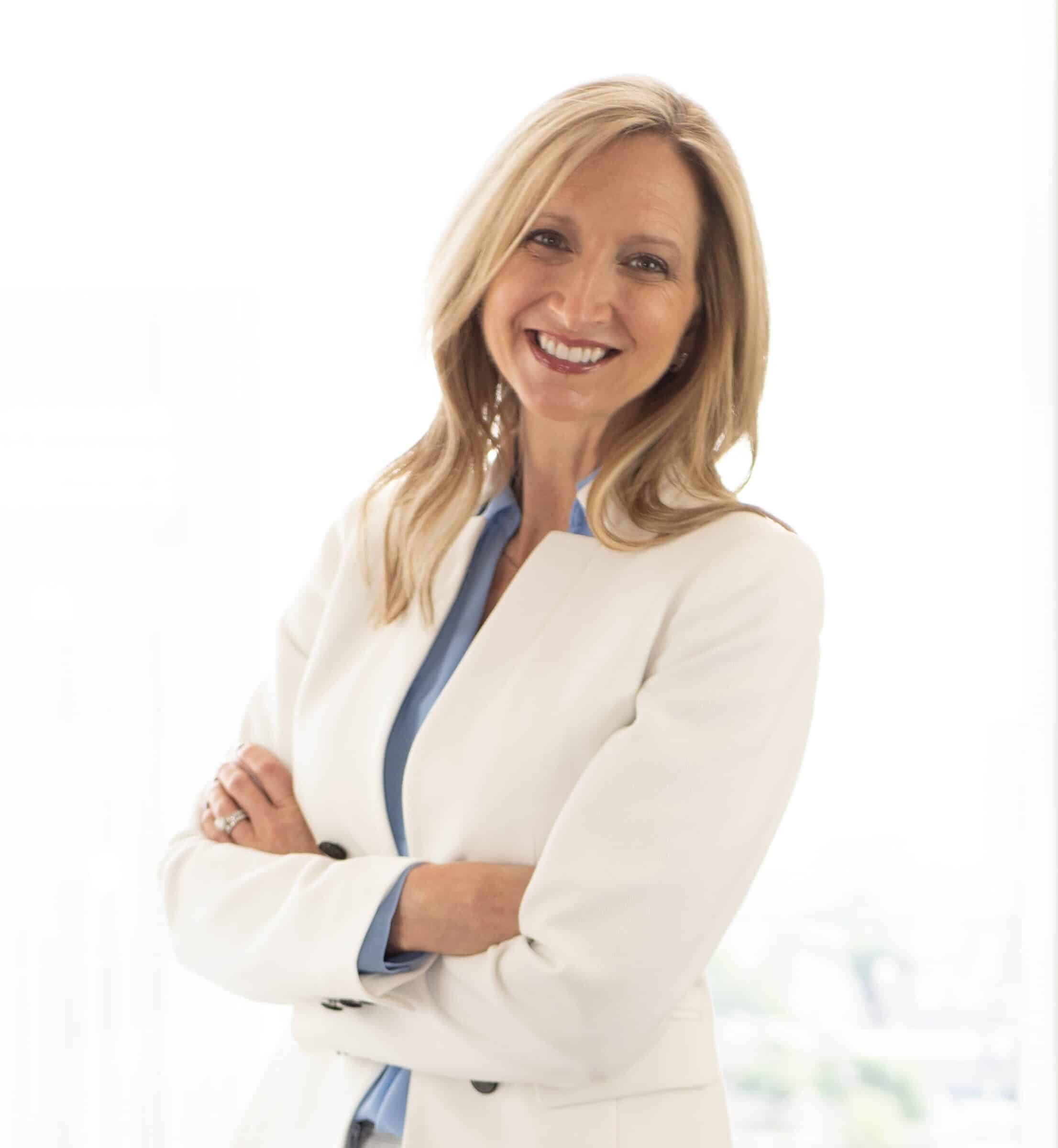

Johnda is an Executive Health and Wellness Coach who guides executives to achieve optimal brain and body health. Her approach is streamlined, comprehensive and results-focused, allowing professionals to regain and improve their edge in the midst of high-level demands. Johnda goes beyond standard nutrition and lifestyle approaches to access all dimensions of health — physical, mental, social and spiritual. Get started today with a Nourishing Greatness Brain and Body Audit, or book Johnda for your speaking or corporate wellness event.
COMPLIMENTARY STARTER KIT
Using Mental Performance Mastery Skills to Reach Your Health and Wellness Goals
Don’t let limiting beliefs hold you back any longer. Sign up now to access this powerful guide and discover how to leverage the skills and strengths mastered in your business to break through barriers keeping you from reaching goals in your health.